
How to Prepare for a Workplace Safety Audit in Ontario?

Preparing for a workplace safety audit in Ontario involves more than organizing paperwork before an inspection. Employers need to demonstrate that workplace hazards are actively identified, workers are properly trained, safety procedures are enforced, and OHSA responsibilities are being followed consistently across the workplace. A strong workplace safety audit preparation process usually includes […]
Forklift Refresher Training Expiry & Renewal Requirements Ontario
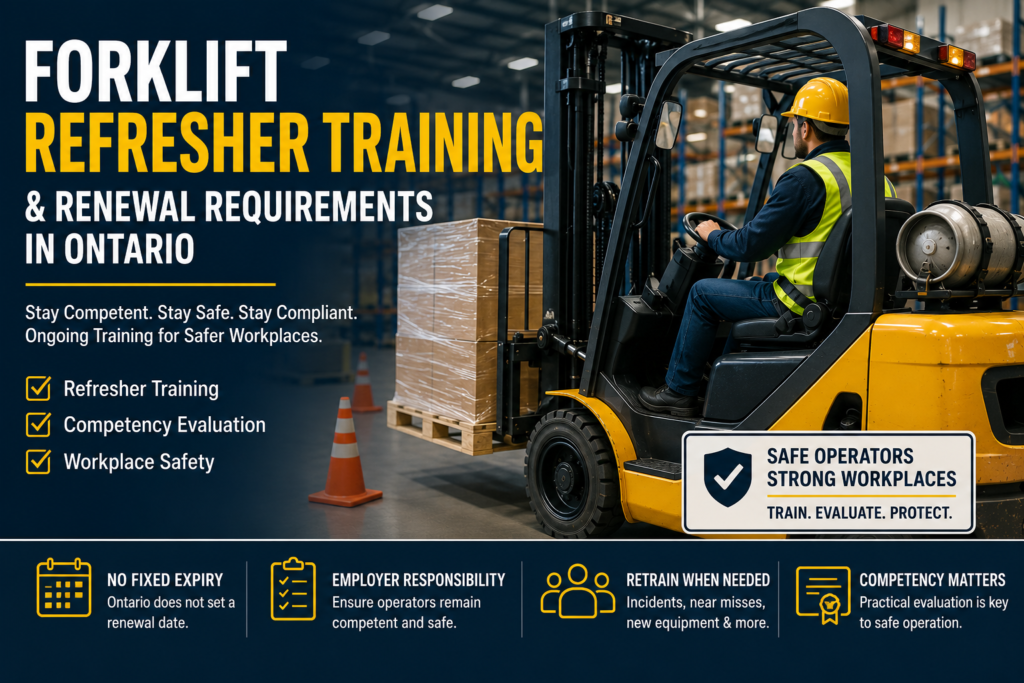
TL:DR Ontario does not use a government-issued forklift licence renewal system with a fixed expiry date. However, employers are expected to ensure forklift operators remain competent, properly supervised, and capable of operating equipment safely under current workplace conditions. Forklift Training Expiry in Ontario Forklift training certificates in Ontario commonly display a three-year […]
EWP Training Types Ontario – Operator, Awareness, Supervisor

Not every worker needs the same type of Elevating Work Platform (EWP) training in Ontario. The right course depends on what role you actually perform on the job site. If you operate a scissor lift or boom lift, you typically need EWP Operator Training. If you work around elevated work platforms but do […]
What Is Covered in JHSC Part 1 Training in Ontario?

If you’re looking into Joint Health and Safety Committee training, one question usually comes up first: What exactly do you learn in JHSC Part 1, and is it enough to start working on a committee? Short answer: JHSC Part 1 gives you the legal, practical, and inspection-level foundation to actively participate in workplace safety in […]
Workplace Heat Stress: Working Temperature Requirements Ontario

Beating the heat in the workplace.
Pallet Walkie Rules (CSA B335-15) Warehouse Safety Poster

This Pallet Walkie Safety Poster summarizes key operator responsibilities under CSA B335-15, the Canadian standard governing lift trucks, including electric pallet trucks and walkie equipment. The rules highlighted reinforce safe operating practices such as proper load handling, maintaining clear visibility, pedestrian awareness, equipment inspection, and speed control within warehouse environments. While posters help reinforce expectations […]
Working at Heights Under 3m? – WAH Training Exemeptions

Is Working at Heights training required below 3 metres in Ontario? Learn about the 3m rule, exemptions, fall protection requirements, and employer responsibilities. Working at Heights training in Ontario is generally required on construction projects when workers are exposed to fall hazards of 3 metres or more or when fall protection systems are required. […]
Working at Heights vs Fall Protection vs Fall Arrest – Difference

TL:DR Working at heights training, fall protection, and fall arrest are not the same. In Ontario construction, Working at Heights training is legally required for workers exposed to fall hazards of 3 metres or more. Fall protection refers to the systems used to prevent or limit falls, while fall arrest is one specific […]
Working at Heights Hazards, Precautions & Risk Assessment
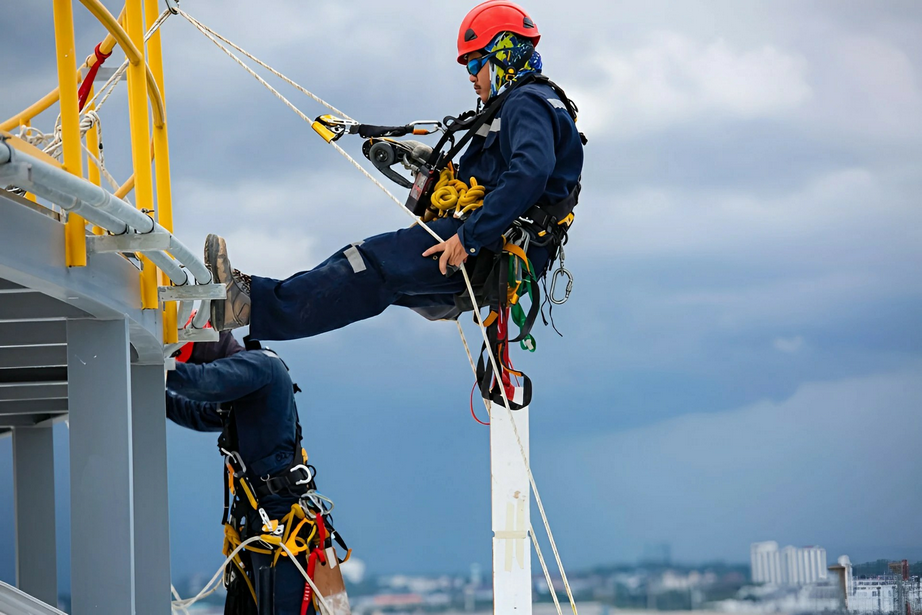
Working at heights remains one of the highest-risk activities in construction and maintenance work. Every year, falls from height continue to cause serious injuries, fatalities, stop-work orders, and prosecutions across Ontario. Most of these incidents are predictable and preventable. Understanding the most common working at heights hazards is the first step in meeting […]
Is CSA B335-15 Mandatory? Canadian Workplace Safety Law Fit
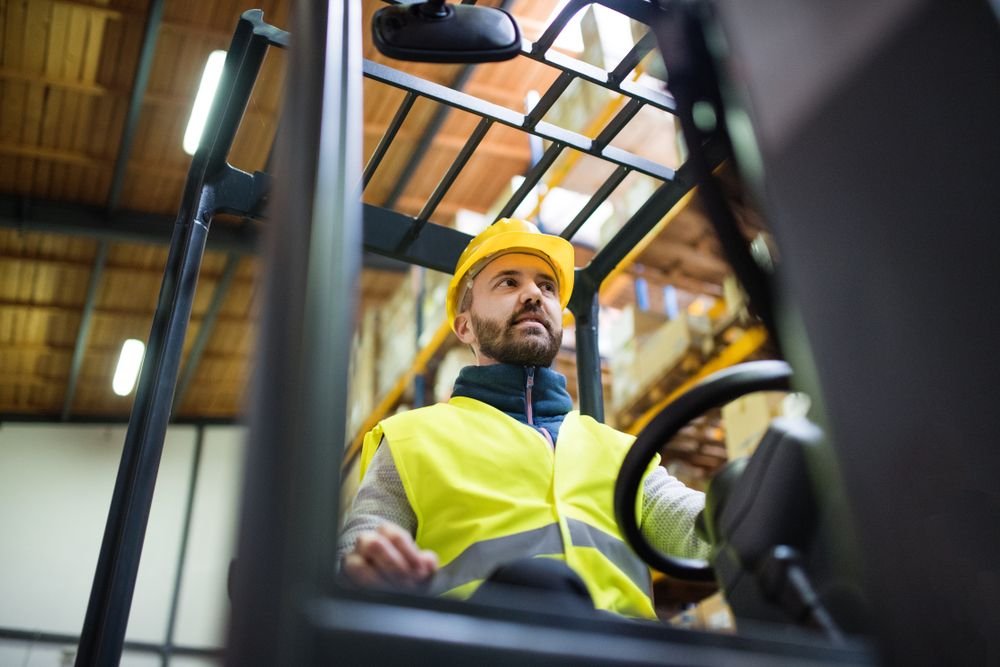
CSA B335-15 is one of the most misunderstood safety standards in Canadian workplaces. Many employers ask the same question: Is CSA B335-15 mandatory, or is it just a best-practice guideline? The short answer is this: CSA B335-15 is not a regulation by itself, but in practice it functions as a mandatory compliance standard when pallet […]