- What Is an Elevating Work Platform (EWP)?
- What Is Covered in EWP Operator Training?
- What Is EWP Awareness Training?
- What Is EWP Supervisor Training?
- EWP Operator vs Awareness vs Supervisor Training: Key Differences
- Which EWP Training Do You Actually Need?
- Ontario EWP Training Requirements for Employers
- Need EWP Training in Ontario?
Not every worker needs the same type of Elevating Work Platform (EWP) training in Ontario. The right course depends on what role you actually perform on the job site.
If you operate a scissor lift or boom lift, you typically need EWP Operator Training. If you work around elevated work platforms but do not operate them, Awareness Training may be enough. If you supervise workers using EWPs, Supervisor Training helps you understand OHSA responsibilities, hazard controls, and compliance obligations.
Ontario employers are responsible for ensuring workers receive proper instruction, supervision, and competency-based training before elevated work equipment is used on site.
Choosing the wrong course can create compliance gaps, safety risks, and liability issues during a Ministry of Labour inspection.
At Achieve Safety, Ontario businesses use EWP training programs to help workers, supervisors, and contractors stay compliant while reducing fall hazards and equipment-related incidents across construction, warehousing, industrial, and maintenance environments.
What Is an Elevating Work Platform (EWP)?
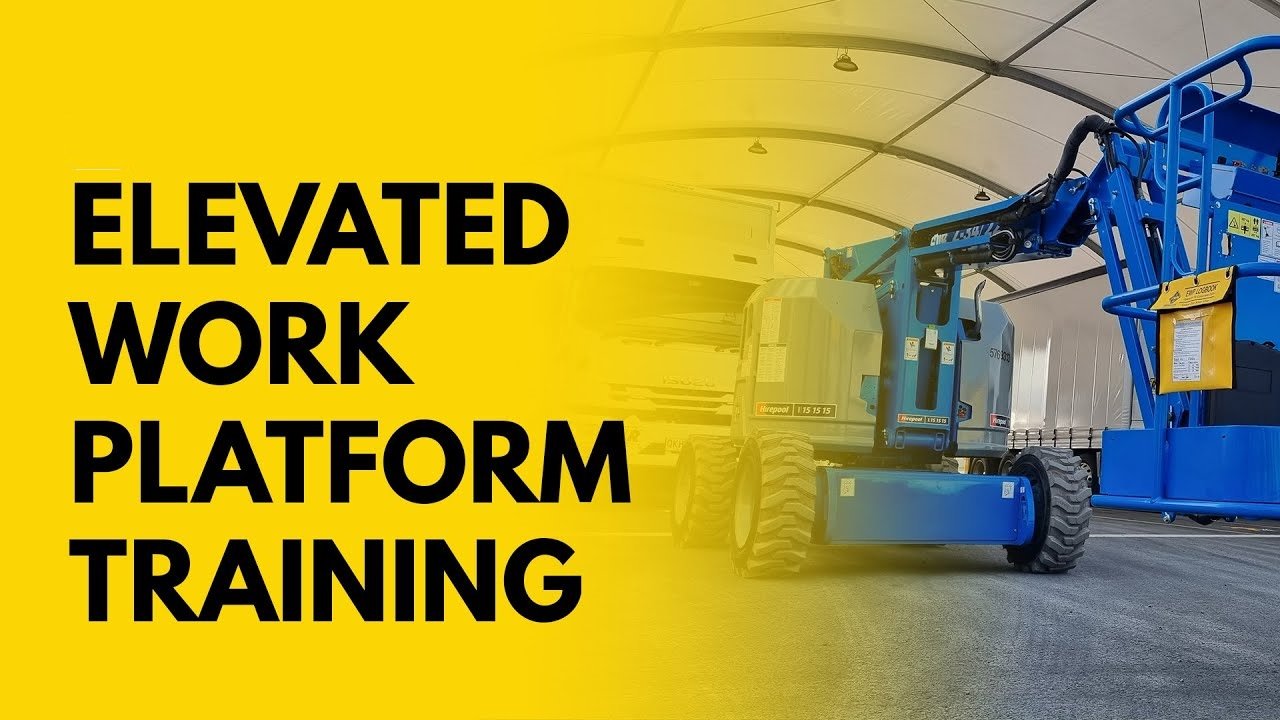
An Elevating Work Platform, often called an aerial work platform, is equipment designed to safely lift workers to elevated work areas.
Common examples include:
- Scissor lifts
- Boom lifts
- Articulating boom lifts
- Genie lifts
- Vertical mast lifts
These machines are widely used across:
- Construction sites
- Warehouses
- Manufacturing facilities
- Maintenance operations
- Commercial properties
- Industrial plants
In Ontario, EWP safety falls under workplace safety obligations outlined through the Occupational Health and Safety Act and related regulations involving worker competency, fall protection, hazard awareness, and employer responsibility.
One of the biggest misconceptions is assuming every worker needs the same certification.
That is where confusion starts.
Some workers only need hazard awareness. Others legally require hands-on operator competency. Supervisors often need training focused on responsibilities, inspections, and due diligence rather than machine operation itself.
This is why understanding the difference between Operator, Awareness, and Supervisor training matters before registering for a course.
What Is Covered in EWP Operator Training?
EWP Operator Training is designed for workers who physically operate elevating work platforms as part of their job duties.
This is the training most people think about when they search for:
- “Scissor lift certification Ontario”
- “Boom lift training”
- “Aerial lift operator course”
- “EWP operator certification”
Who Usually Needs Operator Training?
Typical roles include:
- Construction workers
- Maintenance technicians
- Electricians
- HVAC installers
- Warehouse personnel
- Industrial contractors
- Sign installers
- Painters
- Facility maintenance teams
If you are the person controlling the equipment, raising the platform, or maneuvering the lift, operator-level training is usually required.
What Operator Training Typically Covers
Most Ontario EWP operator programs include:
- Pre-use inspections
- Fall hazards
- Equipment stability
- Load capacity limits
- Safe operating procedures
- Emergency lowering procedures
- Surface and terrain risks
- Weather considerations
- Fall protection systems
- Battery and fuel safety
- Manufacturer guidelines
- Practical equipment operation
A major difference with operator training is the practical component.
Workers are usually evaluated on their ability to safely use the equipment, not just pass a theory test.
Equipment Types Often Included
Training may cover:
- Scissor lifts
- Straight boom lifts
- Articulating boom lifts
Some employers require site-specific familiarization depending on the exact machine model being used.
Which EWP Training Do You Actually Need?
Choosing the wrong training course is one of the biggest compliance mistakes Ontario employers make with elevated work platform safety.
Many companies assume one certificate covers everyone on site.
It does not.
The correct training depends on the worker’s actual role, responsibilities, and exposure to EWP hazards.
You Likely Need EWP Operator Training If:
- You operate a scissor lift or boom lift
- You control lift movement or elevation
- You perform elevated work tasks
- You complete pre-use inspections
- You use fall protection while operating EWPs
You Likely Need EWP Awareness Training If:
- You work near EWP activity
- You assist operators
- You enter active lift zones
- You need hazard recognition knowledge
- You do not physically operate the machine
You Likely Need EWP Supervisor Training If:
- You supervise workers using EWPs
- You assign elevated work tasks
- You conduct safety oversight
- You are responsible for compliance or due diligence
- You manage workplace safety procedures
Ontario employers should also remember that training alone is not enough.
Workers may still require:
- Site-specific orientation
- Equipment familiarization
- Fall protection training
- Practical evaluations
- Ongoing supervision
That is especially important on construction and industrial job sites where hazards, equipment, and conditions constantly change.
Ontario EWP Training Requirements for Employers
Under Ontario workplace safety laws, employers must ensure workers are properly informed, instructed, and supervised to safely perform their work.
For elevated work platform operations, this commonly includes:
- Hazard awareness
- Equipment-specific instruction
- Practical competency evaluation
- Fall protection knowledge
- Safe work procedures
- Emergency planning
Training records should also be maintained as part of workplace due diligence and compliance documentation.
Many Ministry of Labour investigations after workplace incidents focus on one question:
“Was the worker properly trained and supervised for the task being performed?”
That is why choosing the correct EWP training category matters far beyond simply obtaining a certificate.
Need EWP Training in Ontario?
Achieve Safety’s EWP Training Programs help Ontario employers, supervisors, and workers understand exactly which training is required based on their role and workplace responsibilities.
Whether you need:
- EWP Operator Training
- Scissor Lift Certification
- Boom Lift Training
- EWP Awareness Training
- Supervisor Safety Training
- Ontario workplace compliance support
the team can help you choose the correct program for your workplace instead of wasting time on unnecessary or incomplete training.
Book your Ontario EWP training today [theory can be done online, but practical evaluations must be performed in-person at a later date] and make sure your workers, supervisors, and job sites stay safe and compliant.