- What Is Arc Flash Training?
- Is Arc Flash Training Mandatory in Ontario?
- What Does CSA Z462 Cover?
- Who Needs Arc Flash and Electrical Safety Training?
- Does Completing Arc Flash Training Make Someone a Qualified Electrical Worker?
- What Should an Arc Flash Training Course Cover?
- Can Arc Flash Training Be Completed Online?
- What Should Employers Check After Training?
- When Should Arc Flash Training Be Reviewed?
- Questions to Ask Before Booking Electrical Safety Training
- Discuss Electrical Safety Training With Achieve Safety
Arc flash training helps workers recognize electrical hazards and understand the precautions required for their assigned tasks. Ontario employers must provide instruction and supervision that protect workers from the hazards they encounter. The scope of electrical safety training therefore depends on what a worker does and the equipment involved. ontario.ca
An electrician investigating a fault inside electrical equipment needs preparation suited to that task. A production employee operating machinery needs clear instructions about normal operation, warning signs and when to stop and report a problem. Supervisors need enough understanding to plan work and prevent assignments that exceed a worker’s competence.
At Achieve Safety, we encourage employers to describe the work their employees perform before choosing to book a safety training course in Ontario.
Achieve Safety’s Electrical Safety Awareness course covers electrical hazards, risk assessment, lockout principles and safe-work expectations. The published course duration is four hours, with pricing starting at $99 per participant. Confirm the delivery arrangements and suitability for your team when enquiring.
Contact Achieve Safety or call (647) 523-7554 with your employees’ duties, equipment types and preferred training date. We can discuss the course scope and the instruction your workplace needs.
What Is Arc Flash Training?
Arc flash training explains the hazards created when electrical energy travels through an unintended arc. The event releases intense heat and can produce a pressure wave, flying material and severe injuries.
Equipment deterioration, damaged insulation and accidental tool contact with energized parts can contribute to an incident. Exposure also depends on the work being performed and the condition of the electrical system. The Canadian Centre for Occupational Health and Safety’s arc flash guidance identifies these factors as important considerations when assessing risk.
Training should help participants understand:
- How their tasks can expose them to electrical hazards.
- The purpose of an electrical safety program.
- When equipment requires isolation before work.
- How risk assessments inform protective measures.
- Which activities fall within their training and authorization.
- When to stop work and obtain qualified assistance.
Employers should check how these subjects relate to the actual course audience. A general awareness program and training for workers assigned specialized electrical tasks will require different depth and assessment.
Is Arc Flash Training Mandatory in Ontario?
Ontario employers have a legal duty to provide information, instruction and supervision that protect workers. They must also acquaint workers with workplace hazards and take precautions reasonable in the circumstances. Electrical exposure must be addressed through those duties and the regulations applicable to the workplace.
For an employer, the practical question is: What must this employee understand and demonstrate before performing the assigned task?
Start with the work itself. Identify whether employees operate equipment through its normal controls, perform maintenance, take electrical measurements or work near exposed energized parts. Then establish the instruction, procedures and supervision each activity requires.
Electrical Work in Industrial Establishments
For workplaces governed by Regulation 851, section 42 addresses disconnection, lockout and tagging before work on or near live exposed electrical parts. Section 42.1 sets out requirements for circumstances where disconnecting the power supply is not practical.
These provisions affect how work must be planned and controlled. A course completion certificate should be assessed alongside the employer’s procedures and the worker’s ability to perform the particular assignment safely.
The applicable regulation must be identified at the planning stage. Construction projects have their own regulatory requirements, so an industrial workplace’s procedure should be checked before being used for construction work.
What Does CSA Z462 Cover?
CSA Z462:24, Workplace Electrical Safety, addresses an employer’s electrical safety program. Its scope includes hazard elimination, risk assessment, worker training and the selection of protective equipment.
The standard also sets criteria for identifying and training qualified electrical workers. CSA’s own training outline covers job planning, shock and arc flash risk assessment, equipment labelling, protective equipment care and lockout principles. CSA Group
When comparing courses, employers should ask which edition informs the material and how the instruction relates to their employees’ responsibilities.
A reference to “CSA Z462” in a course description is a starting point for that discussion. Ask the provider to explain the intended audience, learning objectives and assessment method.
Who Needs Arc Flash and Electrical Safety Training?
Training decisions should follow exposure and assigned responsibilities. Job titles can help identify likely needs, although two employees with the same title may perform different work.
The following examples provide a starting point for an employer’s training assessment:
| Worker or role | Questions to resolve before choosing training |
|---|---|
| Electrician or electrical technician | Which equipment and electrical tasks will the worker be assigned? What existing qualifications and practical competence can the employer verify? |
| Maintenance employee | Will the employee perform mechanical maintenance after isolation, or undertake electrical testing and troubleshooting? |
| Machine operator | What operation is authorized? Which warning signs require shutdown or reporting, and who handles faults? |
| Supervisor | How will electrical work be planned, assigned and monitored? Who can assess whether the worker is prepared? |
| Cleaner or other worker near electrical equipment | What access restrictions apply, and what should the worker do when encountering damaged equipment or an electrical warning? |
| Contractor | How will the contractor’s responsibilities connect with the site’s isolation procedures and work controls? |
An employer can use these questions to prepare a course enquiry. Include the equipment involved, typical tasks and any recent changes to the work.
Achieve Safety’s Electrical Safety Awareness Training provides a route for employers seeking instruction on electrical hazards and safe-work expectations. Employers arranging training for specialized electrical assignments should explain those assignments when discussing course suitability.
Does Completing Arc Flash Training Make Someone a Qualified Electrical Worker?
Qualification depends on relevant knowledge and training in the equipment or work methods involved. It also requires familiarity with the protective measures and procedures needed for that work. CCOHS describes these capabilities as central to the role of a qualified person. ccohs.ca
Employers should document the tasks for which a worker has demonstrated competence. Course attendance belongs in that record, together with relevant qualifications, practical assessment and workplace instruction.
For example, completing an awareness course gives an employer evidence of the instruction delivered. Before assigning electrical troubleshooting, the employer still needs to establish whether the worker has the preparation required for that equipment and task.
This is a useful distinction when buying training. Ask what participants will be able to explain or demonstrate at the end of the course, and what assessment the employer must complete at the workplace.
What Should an Arc Flash Training Course Cover?
Employers should request a course outline before enrolling workers. The outline should identify the intended audience and explain how participants’ knowledge will be assessed.
For workers exposed to electrical hazards, useful subjects include:
- Recognizing shock and arc flash hazards.
- Understanding job planning and risk assessment.
- Interpreting equipment warning labels.
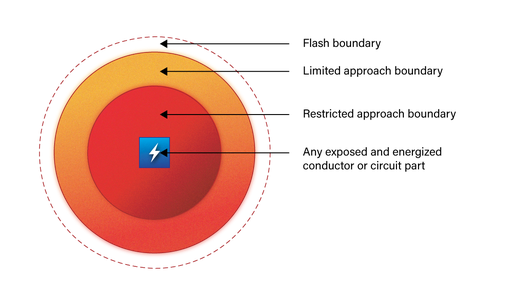
- Following access restrictions and work boundaries.
- Understanding electrical isolation and lockout responsibilities.
- Selecting, inspecting and caring for protective equipment appropriate to assigned work.
- Recognizing conditions that require work to stop.
- Following workplace emergency procedures.
The depth of instruction must suit the participants. Ask the provider how the course addresses the equipment and activities used at your facility.
Include Workplace Procedures in the Training Plan
A worker may understand the purpose of lockout yet still need instruction on the isolation points for a particular machine. Similarly, knowing what an arc flash label represents leaves questions about the actual assignment, equipment condition and protective measures.
Employees responsible for equipment isolation can benefit from Lockout and Tagout Training, supported by instruction in the employer’s equipment-specific procedures.
For construction work, IHSA’s guidance identifies written procedures, suitable protective equipment and worker familiarity with tools and protective devices as important requirements for electrical work. Diagnostic testing also requires appropriate protection. IHSA Construction Safety App
Can Arc Flash Training Be Completed Online?
Online instruction can support learning about electrical hazards and safe-work principles. CSA Group offers online training addressing its workplace electrical safety standard.
When choosing a delivery format, employers should consider how they will assess the employee’s ability to apply that learning. Practical tasks require evaluation suited to the work and equipment involved.
Before purchasing an online course, ask:
- Who is the course designed for?
- What assessment must participants complete?
- Does the course address the relevant edition of CSA Z462?
- Which workplace demonstrations or further instruction will the employer need to arrange?
- What documentation will the provider issue?
An employer planning electrical testing should identify how competence with the relevant instruments and procedures will be established before assigning that work.
What Should Employers Check After Training?
Keep the course record and document how the worker’s preparation relates to assigned duties. A useful record identifies the course date, subjects covered, assessment results and any workplace instruction completed.
The following checklist can help employers organize that review. It should be adapted to the worker’s responsibilities and assessed by someone with appropriate expertise.
| Check | Evidence to look for |
|---|---|
| Assigned duties | A clear description of the equipment and tasks the worker is authorized to perform |
| Hazard recognition | The worker can identify relevant warnings and explain when to stop and report a problem |
| Workplace procedures | The worker understands the procedures applicable to the assignment |
| Protective equipment | The worker can explain the required equipment and demonstrate relevant inspection and use |
| Practical competence | An appropriate evaluator has assessed the skills required for the task |
| Emergency arrangements | The worker knows how to raise the alarm and obtain assistance without entering an electrical hazard |
| Supervision | The employer has identified who will oversee the work and resolve uncertainties |
Review these records when responsibilities change. An employee moving from routine machine operation into maintenance may require additional instruction and assessment.
When Should Arc Flash Training Be Reviewed?
Employers should establish a documented review schedule that accounts for the applicable standard, course scope and workplace electrical safety program. Any renewal date on a training record should be understood in that context.
As a practical training-management measure, review preparation when:
- Workers receive unfamiliar electrical assignments.
- Equipment or isolation procedures change.
- An incident or near miss identifies a knowledge gap.
- Observation reveals unsafe practices.
- Employees return to tasks they have not performed for an extended period.
- Changes to the electrical safety program affect their responsibilities.
Record the reason for the review and the action taken. That action may involve further instruction, supervised practice or reassessment.
Questions to Ask Before Booking Electrical Safety Training
A productive course enquiry starts with a description of the work.
Tell the provider what equipment employees use and whether their duties involve normal operation, maintenance, isolation or electrical testing. Include the number of participants and their existing qualifications.
Ask the provider to explain:
- How the course matches those responsibilities.
- Which assessments are included.
- What preparation participants need beforehand.
- What training documentation will be issued.
- Which workplace assessments remain the employer’s responsibility.
This helps the employer judge whether the proposed instruction addresses the training need.
Discuss Electrical Safety Training With Achieve Safety
Achieve Safety’s Electrical Safety Awareness course covers electrical hazards, risk assessment, lockout principles and safe-work expectations. The published course duration is four hours, with pricing starting at $99 per participant. Confirm the delivery arrangements and suitability for your team when enquiring.
Contact Achieve Safety or call (647) 523-7554 with your employees’ duties, equipment types and preferred training date. We can discuss the course scope and the instruction your workplace needs.