
Every Ontario employer must comply with the Occupational Health and Safety Act (OHSA).
Ontario employers must follow the Occupational Health and Safety Act by assessing hazards, training workers, maintaining safe equipment, posting required documents, and performing regular inspections.
This checklist outlines the essential steps to help workplaces stay compliant and prepare for Ministry of Labour visits.
Use this Ontario workplace safety compliance checklist to meet OHSA requirements 2026. Learn the key steps employers must follow, including training, hazard control, inspections, and documentation.
Book an Achieve Safety compliance audit for expert support.
👉 Click here to download the Ontario Workplace Safety Compliance Checklist Free
OHSA Safety Compliance Checklist & Requirements Guide

Workplace safety isn’t optional in Ontario—it’s a legal and moral responsibility. Under the Occupational Health and Safety Act (OHSA), every employer must create a safe environment where risks are identified, hazards are controlled, and employees are properly trained. Yet many organizations fall short simply because they don’t know what full compliance looks like.
That’s where this practical Ontario Workplace Safety Compliance Checklist comes in. It’s designed to help business owners, supervisors, and safety managers evaluate whether their workplace meets OHSA standards—from policies and inspections to emergency response plans.
What Is OHSA Compliance in Ontario?
Creating a safe workplace in Ontario starts with understanding what compliance actually means. Under the Occupational Health and Safety Act (OHSA), every employer has a legal duty to protect workers from hazards.
ompliance is not a single action. It is a system of policies, training, supervision, inspections, and documented procedures that work together to reduce risk.
- Employer → must ensure → a safe and well supervised workplace
- OHSA → outlines → the minimum safety standards Ontario businesses must follow
When an employer complies with OHSA, they identify hazards, train employees on safe practices, provide proper equipment, and maintain a workplace where safety concerns are addressed quickly. The Ministry of Labour, Immigration, Training and Skills Development (MLITSD) enforces these standards and can enter any workplace at any time. This is why workplaces need clear procedures, up to date training records, and visible safety postings.
Key idea: Compliance is not about passing an inspection. It is about building a culture where supervisors, workers, and owners share responsibility for preventing harm. A compliant workplace is trained, organized, and prepared long before an inspector arrives.
If you feel unsure about gaps in your compliance program, Achieve Safety can walk you through a full OHSA review and help you build a structure that protects both people and your business.
Who Must Follow OHSA Requirements?
Every business in Ontario must follow OHSA. The law applies to small offices, construction sites, manufacturing plants, warehouses, retail stores, clinics, hospitality spaces, and nearly every type of workplace in the province.
- Employer → must protect → every worker on site
- Supervisor → must ensure → safe work practices are followed
- Worker → has the right → to know, participate, and refuse unsafe work
Company size affects some requirements. For example:
-
Workplaces with 20 or more workers require a Joint Health and Safety Committee (JHSC).
-
Smaller workplaces may only need a Health and Safety Representative.
-
Construction projects often have additional obligations such as Working at Heights training and site specific hazard assessments.
Even a very small business must have a written health and safety policy, provide basic training, and maintain procedures that show due diligence. Many owners assume that small offices or low risk workplaces have minimal obligations, but OHSA still requires documentation, supervision, and safe work procedures.
If you are a new employer or unsure whether you need a JHSC or a Health and Safety Representative, Achieve Safety can help you determine the correct structure and set it up properly.
Ontario Workplace Safety Compliance Checklist
This checklist helps Ontario employers confirm whether they meet the essential requirements of the Occupational Health and Safety Act (OHSA).
Each point reflects a real obligation that inspectors look for during workplace visits. Use it to evaluate your readiness and identify gaps before they become violations.
Conduct a Hazard Assessment
Every workplace must start with a hazard assessment. It is the core foundation of a safe environment.
- Employer → identifies → physical, chemical, biological, ergonomic, and psychosocial hazards
Practical steps:
-
Walk through each work area and observe tasks closely.
-
Identify hazards created by equipment, chemicals, materials, people, or the environment.
-
Rank risks by severity and likelihood.
-
Implement controls that follow Ontario’s hierarchy: eliminate, substitute, engineer, administrate, then use PPE.
-
Update your assessment when tasks change or new equipment arrives.
A strong hazard assessment helps prevent injuries, reduces WSIB claims, and prepares you for a Ministry of Labour inspection. If you need support, Achieve Safety can conduct a full on site assessment and help you build corrective actions that meet OHSA expectations.
Develop a Written Health and Safety Policy
Ontario employers must create a written health and safety policy. It must be reviewed each year and signed by the highest level of management.
- Health and Safety Policy → guides → workplace expectations, responsibilities, and safe conduct
Your policy should:
-
State your commitment to protecting workers.
-
Assign responsibilities to employers, supervisors, and workers.
-
Describe how hazards are controlled and reported.
-
Be posted in a visible location.
A clear policy demonstrates leadership and due diligence. It is also one of the first documents an inspector will request.
Provide Mandatory Training
Ontario workplaces must offer mandatory safety training in Ontario based on their industry and tasks.
- Training → equips → workers to perform duties safely
Examples include:
-
Working at Heights for construction
You must keep training records updated. Inspectors use these records to confirm competency.
For Ontario Businesses to stay compliant, many employers choose to schedule training through Achieve Safety because it ensures alignment with Ontario standards and reduces the risk of missed certifications.
Maintain Safe Equipment and Work Procedures
Safe equipment is a legal requirement.
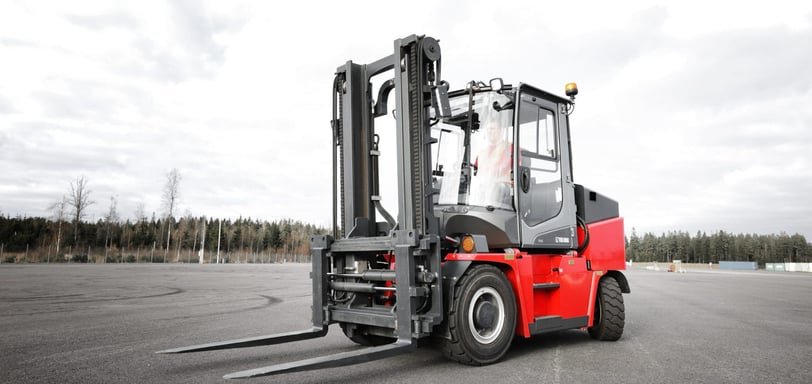
- Employer → maintains → machines, tools, guards, and protective devices
Checklist tasks:
-
Inspect equipment regularly.
-
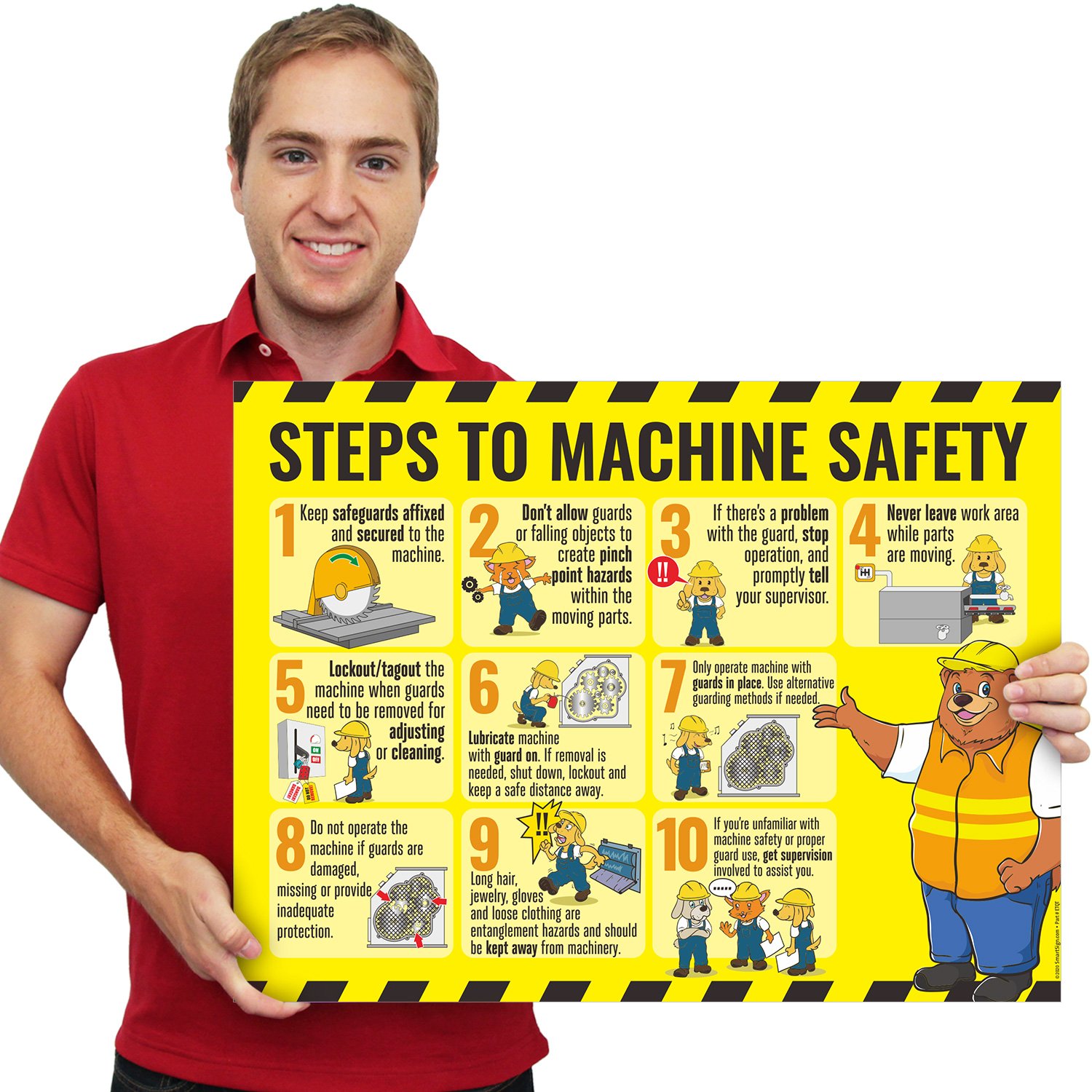
Keep guards in place and functional.
-
Follow lockout and tagout steps during servicing.
-
Train workers on safe machine use.
-
Document maintenance activities and repairs.
Unsafe or poorly maintained equipment is a frequent cause of orders and stop work notices. A structured maintenance program signals control and good supervision.
Ensure Emergency Preparedness and First Aid Readiness
Emergency plans protect workers and limit damage.
Emergency Plan → prepares → workers to respond safely during an incident
Your workplace must:
-
Keep exits clear and unlocked.
-
Maintain an evacuation plan and review it with staff.
-
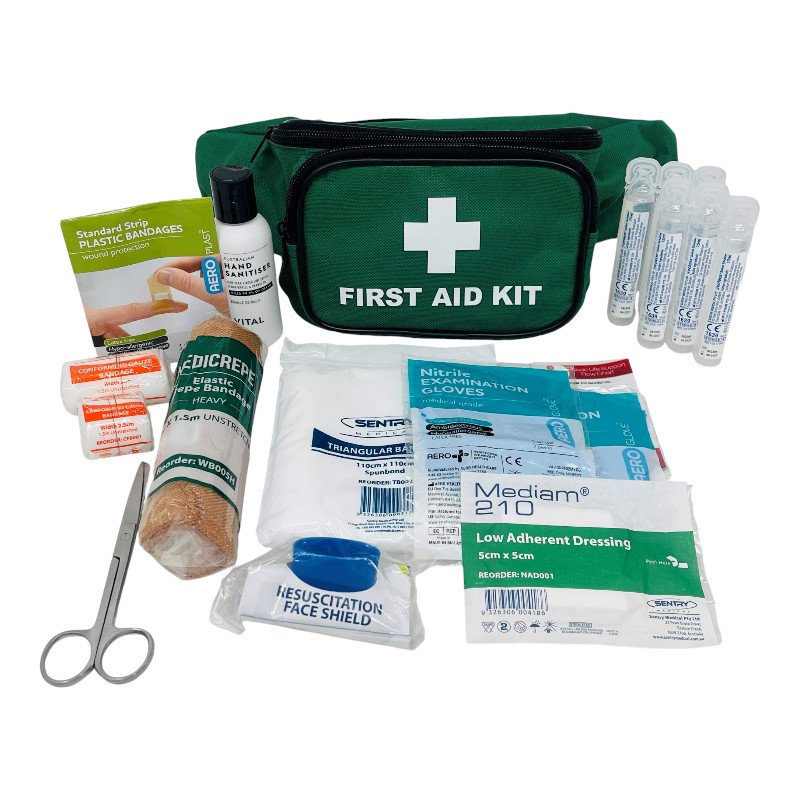
Stock the correct level of first aid kits.
-
Train designated first aid responders.
-
Post emergency contacts and evacuation maps.
Ontario employers must also follow WSIB First Aid Regulation 1101. This includes the number of kits and the type of first aid training required.
Establish Incident Reporting and Investigation Procedures
Every incident must be documented and investigated.
Incident Investigation → identifies → root causes and corrective actions
You must:
-
Record all injuries, near misses, and hazards.
-
Report serious injuries and fatalities to MLITSD and WSIB when required.
-
Complete Form 7 for WSIB within the mandatory time frame.
-
Investigate incidents and implement corrective measures.
-
Keep records accessible for inspectors.
An effective investigation process helps prevent repeat events and demonstrates that your workplace takes safety seriously.
Post Required OHSA Documents and Policies
Ontario workplaces must display required documents in an accessible area.
Posting Board → displays → legal and safety information for workers
Your board must include:
-
A copy of the OHSA Act
-
Health and safety policy
-
Workplace violence and harassment policy
-
Names and contact details for JHSC or Health and Safety Representative
-
WSIB “In Case of Injury” poster
-
Any recent Ministry of Labour inspection orders
Missing postings are one of the easiest violations to avoid and one of the fastest for inspectors to identify.
Conduct Regular Workplace Inspections
Regular inspections are mandatory.
Inspection → detects → hazards before they cause harm
Steps to follow:
-
Designate a trained JHSC member or Health and Safety Representative to inspect monthly.
-
Use a structured checklist to evaluate each area.
-
Record findings and assign corrective actions.
-
Follow up to confirm issues were resolved.
Monthly inspections show active supervision and due diligence. Many employers also add a third party audit once or twice a year to stay aligned with OHSA expectations. Achieve Safety offers full workplace audits designed to uncover risks that internal teams may miss.