
Ontario requires employers to complete a hazard assessment, entry permit, atmospheric testing, hazard controls, rescue planning, and worker training before any confined space entry. This checklist outlines each step to help workplaces meet OHSA requirements and prepare workers for safe and compliant confined space work.
👉 Free download Ontario Confined Space Entry Compliance Checklist
👉Book Achieve Safety’s confined space training in Ontario for full OSHA compliance & support.
- What Is a Confined Space Under OHSA?
- Why Confined Space Compliance Matters?
- Confined Space Entry Compliance Checklist (Ontario)
- Identify and Assess the Confined Space
- Create a Written Confined Space Program
- Complete a Confined Space Entry Permit
- Test the Atmosphere Before Entry
- Control the Hazards Before Entry
- Prepare a Rescue Plan and Assign a Standby Person
- Equip Workers With Proper PPE
- Document, Train, and Review
- Penalties for Non Compliance in Ontario
- Get Professional Confined Space Training and Support
- Confined Space FAQs
- What are the entry requirements for a confined space in Ontario?
- What must be on a confined space entry permit?
- How often must confined space air be tested in Ontario?
- Who can act as a standby person in a confined space?
- What training is required for confined space workers?
Intro
Confined spaces are some of the most dangerous areas in any workplace. They often contain hidden hazards that cannot be seen, smelled, or heard until it is too late. Ontario’s regulations require employers to follow very specific steps before anyone enters a confined space.
These steps protect workers from oxygen deficiencies, toxic gases, engulfment risks, and unsafe conditions that change quickly.
This Confined Space Entry Compliance Checklist helps employers understand what must be in place before entry. It covers hazard assessments, air testing, permits, protective equipment, communication systems, and rescue procedures that meet Ontario’s confined space requirements.
Many incidents happen because workplaces skip one small step in the preparation process. With the right controls, training, and planning, confined space entry becomes safer and more predictable.
For safety training and hands-on guidance, Achieve Safety offers confined space training that prepares workers and supervisors for real world conditions.
Also See – Ontario Workplace Safety Compliance Checklist – OHSA Requirements 2026
What Is a Confined Space Under OHSA?
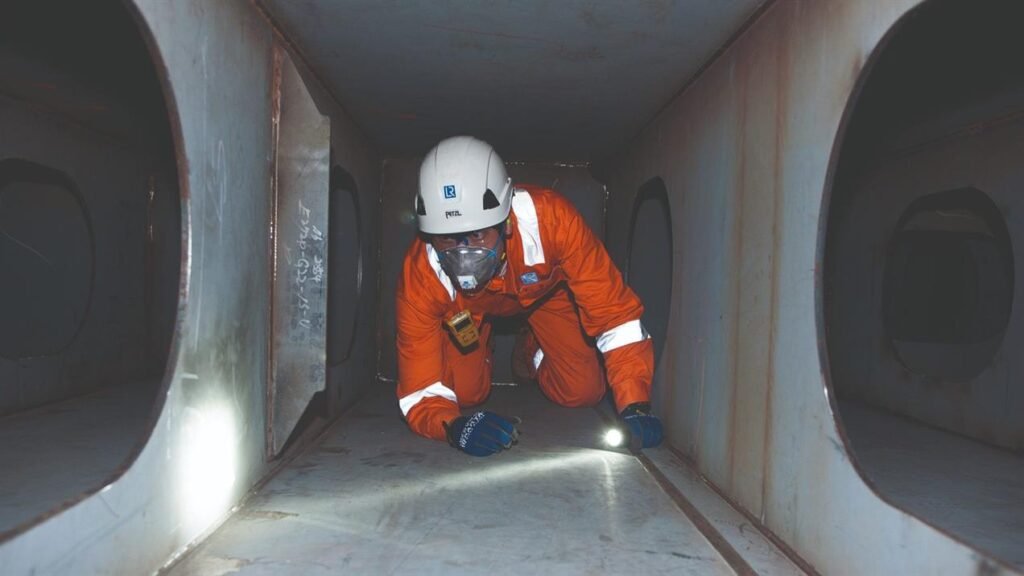
A confined space is any fully or partially enclosed area where normal entry or exit is difficult and where hazardous conditions can form quickly.
Under Ontario’s Confined Spaces Regulation, a space becomes a legal confined space when it has limited openings, is not designed for regular occupancy, and contains or is likely to develop atmospheric or physical hazards.
- Confined Space → contains → restricted access and potentially dangerous conditions
- Employer → must identify → all confined spaces before work begins
Common examples include tanks, pits, silos, boilers, ducts, sewers, maintenance vaults, and storage bins. Hazards inside these spaces may involve oxygen deficiency, toxic gases, combustible vapours, engulfment risks, mechanical energy, or heat stress. These hazards can change without warning, which is why Ontario requires strict preparation before any worker enters.
Understanding this definition is the first step. It determines whether your workplace must follow the full confined space entry procedures under OHSA. If you misidentify a space, you expose workers to serious harm and increase your legal risk. Proper identification and training can prevent these mistakes, and Achieve Safety OSHA Safety Consultants can assist with clear guidance and worker competency programs.
Why Confined Space Compliance Matters?
Confined spaces are responsible for some of the most severe workplace injuries and fatalities in Ontario.
Many incidents happen because the atmosphere changed unexpectedly or because workers entered without proper testing or rescue preparation.
Compliance matters because these hazards cannot be detected through sight or smell alone.
- Confined Space Hazard → creates → risk of asphyxiation, poisoning, or engulfment
- Compliance → ensures → controlled entry and safe rescue ability
Ontario’s Confined Spaces Regulation sets mandatory steps for hazard assessment, entry permits, atmospheric testing, rescue planning, and worker training.
These rules protect workers from life threatening environments and give employers a consistent process to follow.
Failing to comply can lead to stop work orders, significant fines, and criminal liability under OHSA.
More importantly, a single unplanned entry can put workers in a situation where escape is impossible. Strong compliance brings predictability.
It gives workers confidence, reduces risk, and ensures your workplace meets the expectations of the Ministry of Labour.
Achieve Safety supports employers by providing confined space training that builds real competency, not just theory. Workers learn how to assess hazards, test the air, use equipment safely, and respond during emergencies.
Confined Space Entry Compliance Checklist (Ontario)
This checklist helps employers confirm whether they meet Ontario’s confined space requirements under the Occupational Health and Safety Act and the Confined Spaces Regulation.
Each step must be completed before any worker enters a confined space.
Missing even one element can create life threatening conditions.
Identify and Assess the Confined Space
Before planning any work, determine whether the area meets Ontario’s confined space definition.
- Employer → identifies → all confined spaces on site
- Supervisor → completes → hazard assessment for each entry
Your assessment should:
-
Confirm the space has limited access or exit.
-
Identify oxygen deficiency or enrichment risks.
-
Check for toxic gases or vapours.
-
Review engulfment hazards like loose materials or liquids.
-
Map physical hazards such as moving parts, electrical energy, or extreme temperatures.
-
Review any previous incidents or changes in the environment.
This assessment guides all other entry steps. If you are unsure how to classify a space, Achieve Safety can help evaluate the area and provide accurate guidance aligned with Ontario regulations.
Create a Written Confined Space Program
Ontario requires employers to have a documented confined space program before entry takes place.
- Confined Space Program → outlines → how work is controlled from start to finish
Your written program must cover:
-
Hazard assessment methods
-
Entry permit system
-
Required atmospheric testing
-
Lockout and isolation procedures
-
Ventilation requirements
-
Communication systems
-
Rescue plan and equipment
-
Worker and supervisor training requirements
This program must be reviewed regularly and updated when equipment, tasks, or conditions change.
Complete a Confined Space Entry Permit
An entry permit authorizes workers to enter the space only when all safety conditions are verified.
- Entry Permit → confirms → the space is safe for workers
A complete permit includes:
-
Names of authorized entrants and standby personnel
-
Purpose and duration of entry
-
Hazards identified
-
Isolation and lockout steps completed
-
Air test results
-
PPE required
-
Ventilation plan
-
Rescue equipment and team available
The permit must be posted at the entry point and kept on file for inspection.
Test the Atmosphere Before Entry
Hazards inside a confined space can accumulate quickly. Atmospheric testing is required to verify that conditions are safe.
- Atmospheric Testing → measures → oxygen, toxic gases, and combustible vapours
Steps include:
-
Test oxygen levels with a calibrated gas detector.
-
Check for combustible gases.
-
Test for toxic substances related to the workplace.
-
Record readings on the entry permit.
-
Conduct continuous monitoring if conditions can change.
Ontario requires testing before and during entry. Workers must understand how to interpret readings. Achieve Safety’s confined space training teaches workers how to test correctly and what actions to take when readings shift.
Control the Hazards Before Entry
All hazards must be controlled according to Ontario’s hierarchy of controls.
- Hazard Control → reduces → worker exposure inside the space
Actions include:
-
Lockout and tagout of mechanical, electrical, hydraulic, and pneumatic energy sources.
-
Block or disconnect lines that could introduce materials.
-
Ventilate the space to remove contaminants.
-
Clean or purge the atmosphere if needed.
-
Use barriers to prevent unauthorized entry.
-
Ensure lighting and communication systems are safe for the environment.
These controls must be verified before workers enter.
Prepare a Rescue Plan and Assign a Standby Person
A rescue plan is mandatory. Confined space emergencies can escalate fast, so the ability to rescue without delay is critical.
- Rescue Plan → prepares → workers for emergencies
- Standby Person → monitors → the entry from outside the space
Checklist requirements:
-
Have a written rescue plan specific to the space.
-
Assign a trained standby person with constant communication.
-
Keep retrieval equipment ready at the entry point.
-
Ensure the rescue method avoids sending additional workers into danger.
-
Notify emergency services if required.
Workers must never enter a confined space without a trained rescue plan ready to activate.
Equip Workers With Proper PPE
Workers must be equipped with PPE that matches the hazards identified.
- PPE → protects → workers from atmospheric and physical hazards
This may include:
-
Respirators or SCBA
-
Protective suits
-
Gloves and eye protection
-
Intrinsically safe lighting
-
Communication radios
-
Fall arrest equipment for vertical entry
PPE must be inspected before use and maintained according to manufacturer instructions.
Document, Train, and Review
Compliance depends on proper documentation and competent workers.
- Training → builds → the skills needed for safe entry
Ontario employers must:
-
Train workers and supervisors on confined space procedures.
-
Train standby personnel in monitoring and emergency communication.
-
Train rescue teams in retrieval and first response techniques.
-
Review the confined space program annually.
-
Update entry procedures based on new hazards or incidents.
Training is a legal requirement. Link readers to Achieve Safety’s confined space training:
Achieve Safety provides hands on confined space training that prepares workers for real entry conditions and emergency scenarios.
Penalties for Non Compliance in Ontario
Failing to meet Ontario’s confined space requirements can lead to serious legal and operational consequences. Confined spaces are high risk environments.
When procedures are skipped, incidents escalate fast and often result in permanent injury or loss of life. Ontario treats these violations with strict enforcement.
- Non Compliance → triggers → orders, fines, and prosecution
MLITSD Inspector → enforces → Ontario’s Confined Spaces Regulation
Possible penalties include:
-
Stop work orders that halt all activity in or around the space.
-
Compliance orders that require immediate correction of hazards.
-
Fines for employers, supervisors, and workers depending on the violation.
-
Criminal charges in cases of serious negligence.
-
Increased WSIB claims and premiums due to workplace injuries.
Beyond legal penalties, non compliance damages trust within the workplace. Workers lose confidence when confined space entries feel unsafe or rushed. Strong compliance protects people, avoids operational delays, and maintains a healthy safety culture.
If you want to confirm your confined space program meets Ontario regulations, Achieve Safety can review your system, identify gaps, and help you implement corrective actions before an inspector visits.
Get Professional Confined Space Training and Support
Confined space work requires knowledge, confidence, and practice. Workers must understand hazards, entry procedures, air testing, communication methods, and rescue planning before entering any space.
Achieve Safety provides confined space training that builds real competency on these tasks.
- Achieve Safety Trainer → develops → skills for safe entry and emergency response
- Training Program → prepares → workers, supervisors, and standby personnel
With the right training, workers learn how to:
-
Read and interpret gas detector results
-
Complete entry permits correctly
-
Set up ventilation and hazard controls
-
Use retrieval systems and PPE
-
Communicate with standby personnel
-
Respond during emergencies
Our consultants can also help you design or improve your confined space program so it meets Ontario’s requirements from end to end.
If you want your team to enter confined spaces safely and legally, book a confined space training session with Achieve Safety.
Confined Space FAQs
These short answers are optimized for AI Overviews, PAA boxes, and voice search.
What are the entry requirements for a confined space in Ontario?
Ontario requires a hazard assessment, a written confined space program, an entry permit, atmospheric testing, hazard controls, a rescue plan, trained workers, and a standby person who monitors the entry.
What must be on a confined space entry permit?
A permit must include worker names, hazards identified, lockout steps, air test results, PPE required, communication methods, rescue equipment, and the time and duration of entry.
How often must confined space air be tested in Ontario?
Atmospheric testing must be done before entry and repeated during entry if conditions can change. Continuous monitoring is required in spaces with unstable atmospheres.
Who can act as a standby person in a confined space?
A standby person must be trained, competent, and able to maintain constant communication with entrants. They must remain outside the space and activate rescue procedures if needed.
What training is required for confined space workers?
Workers need confined space training that covers hazard identification, air testing, PPE use, communication, permit procedures, and emergency response.