- Small Business OHSA Compliance Checklist for Ontario Workplaces
- What basic OHSA training do small business employees need in Ontario?
- How can small offices and startups handle ergonomics and low risk hazards?
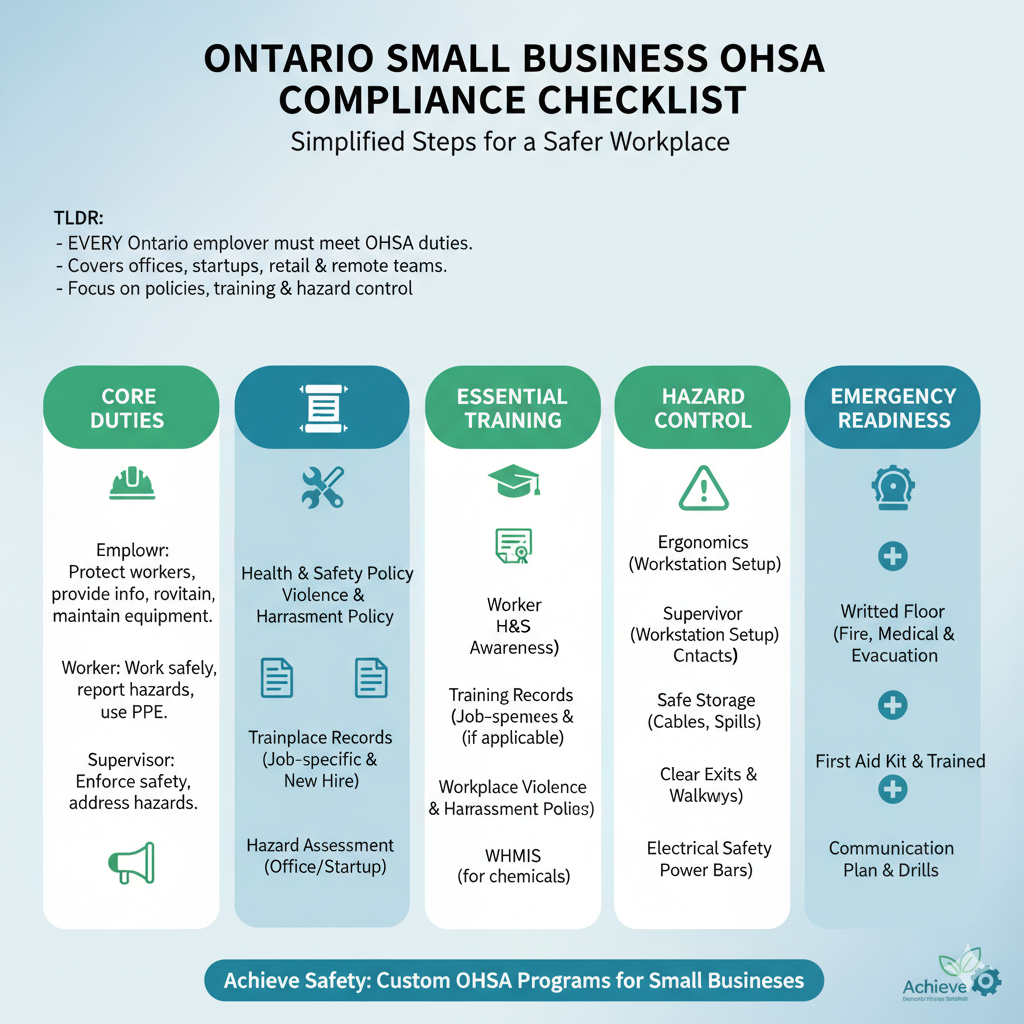
- Complete OHSA compliance checklist for small businesses in Ontario
- FAQs for Small Business OHSA Compliance in Ontario
(TLDR)
Ontario small businesses must still meet core OHSA duties even with limited staff or low-risk work. Every employer needs a health and safety policy, employee training, incident procedures, hazard checks, ergonomic practices, and emergency planning.
I outline exactly what I set up for small teams across Ontario, including offices and startups. These steps give a clear path toward compliance and safer work. I also explain how consulting support from Achieve Safety helps owners build a correct program from day one.
Small Business OHSA Compliance Checklist for Ontario Workplaces
I still remember walking into a small tech office in Waterloo a few months ago. The founder greeted me with a smile but admitted he had no idea where to start with OHSA. He thought safety applied only to construction sites. Within an hour I showed him that Ontario’s Occupational Health and Safety Act applies to every employer in the province, even when the work is low risk and the team is just five people.
This situation comes up often. Many small business owners try to figure things out alone. They assume a binder from years ago or a generic template will meet their legal duties. What I see behind the scenes is different. Small gaps become big liabilities during a Ministry of Labour inspection. Simple steps like hazard checks, basic training, and emergency prep make a real difference.
What follows is the same checklist I use when I guide small businesses through their first OHSA program. It fits offices, retail, startups, and remote friendly teams across Ontario. It also ties directly to the Ontario OHSA, its regulations, and the common requirements that inspectors look for.
What does OHSA require from small employers in Ontario?
Ontario’s Occupational Health and Safety Act sets duties for every employer in the province, no matter the business size. When I help a new small business, I start by explaining three core ideas that shape everything else.
Employer duties:
-
Keep workers safe by taking reasonable precautions
-
Provide information, instruction, and supervision
-
Maintain equipment and workplace conditions
-
Prepare policies that reflect actual hazards in the business
Worker duties:
-
Work safely
-
Report hazards
-
Use any equipment or protective gear provided
Supervisor duties:
-
Make sure workers follow safe procedures
-
Address hazards that could harm someone
These duties apply equally to an office, a startup, a retail shop, or a small warehouse. Small businesses do not get exemptions from the law. What changes is how simple the safety program can be when risks are low.
What documents must small businesses maintain for OHSA compliance?
When I audit small companies, documentation is usually the biggest gap. Inspectors often ask for specific policies, even for teams under 20 workers. I guide owners through this starting set because it meets Ontario’s legal baseline and prevents issues during inspections.
Required or commonly requested documents:
-
A signed Health and Safety Policy (reviewed annually)
-
A Workplace Violence and Harassment Policy
-
Job specific training records
-
New worker orientation records
-
Emergency procedures and contact lists
-
Incident and near miss reporting forms
-
A simple hazard assessment for office or startup environments
-
WSIB documentation
Why these matter:
Each document shows that the employer has considered risks, trained the team, and created a repeatable system. Even small offices face hazards like ergonomics issues, spills, cords, stress, and equipment mishandling. These are still workplace risks under OHSA.
Also Read – On-Site Compliance Consulting Gaps & Its Importance For Business
If a business needs help preparing these documents correctly, I direct them to our consulting team at Achieve Safety to build a custom program that reflects both the law and the daily reality of their workplace.
<
What basic OHSA training do small business employees need in Ontario?
When I help a small business in Ontario build its first safety program, safety training is usually the most misunderstood part. Many owners think only high risk industries need structured training. The reality is different. Ontario requires several core training elements for all workers, even if they work at a desk.
Training every Ontario worker needs:
-
Worker Health and Safety Awareness
-
Supervisor Health and Safety Awareness for anyone who directs others
-
WHMIS training for any place where cleaning chemicals or office supplies are used
-
Job specific instruction on equipment or tasks
I track these items in a simple training matrix. It lists each worker, the date of their training, and the next review date. During audits, this matrix becomes one of the first things inspectors look for because it shows that workers received the information the employer must provide.
Optional but helpful for low risk teams:
-
Mental health and stress management orientation
-
Safe lifting basics
-
Incident reporting steps
When teams grow past five or six workers, small gaps in training begin to show. Someone forgets how to report a hazard. A new hire does not know the emergency exits. That is why I always build this foundation early. If you want these items prepared properly, Achieve Safety can set up a custom training system that fits your workplace and stays compliant as the team expands.
How can small offices and startups handle ergonomics and low risk hazards?
Most small offices assume their risks are too small to worry about. I see the opposite during assessments. The most common injury in low risk workplaces is caused by poor workstation design. The second is slips, trips, and falls. Both fall under hazard control duties in Ontario.
Ergonomics hazards I usually find in small offices:
-
Chairs with poor lumbar support
-
Monitors placed too low or too far
-
Keyboards without wrist support
-
Long hours without breaks
These issues often lead to discomfort, strain, and productivity loss. A simple workstation review fixes most of them. I show each worker how to adjust their chair, monitor, and keyboard to reduce stress on their body. This is a small investment that prevents long term WSIB claims.
Other low risk hazards that still matter under OHSA:
-
Loose cables across walkways
-
Improper storage of cleaning products
-
Blocked exits
-
Worn mats near entrances
-
Overloaded power bars
-
Spills in kitchen areas
I create a monthly inspection checklist for small teams. It guides them through quick visual checks. It also reinforces the culture that safety is not only for large facilities or industrial sites. Every business must take reasonable steps to prevent injuries.
When these basics are in place, the workplace feels more organized and workers trust their employer. It also makes any Ministry of Labour visit smoother.
What emergency steps must small Ontario workplaces prepare for?
Emergency planning feels overwhelming for many small businesses. I see this often in startups that focus on tight deadlines and quick growth. When I explain that OHSA expects every employer to prepare for emergencies, owners realize this is not optional. The good news is that simple steps work well for low risk environments.
Core emergency items I set up for small teams:
-
A written procedure for fire, medical issues, and building evacuations
-
Posted floor plans that show exits, meeting points, and fire equipment
-
A communication plan for who contacts emergency services
-
A list of trained first aid responders
-
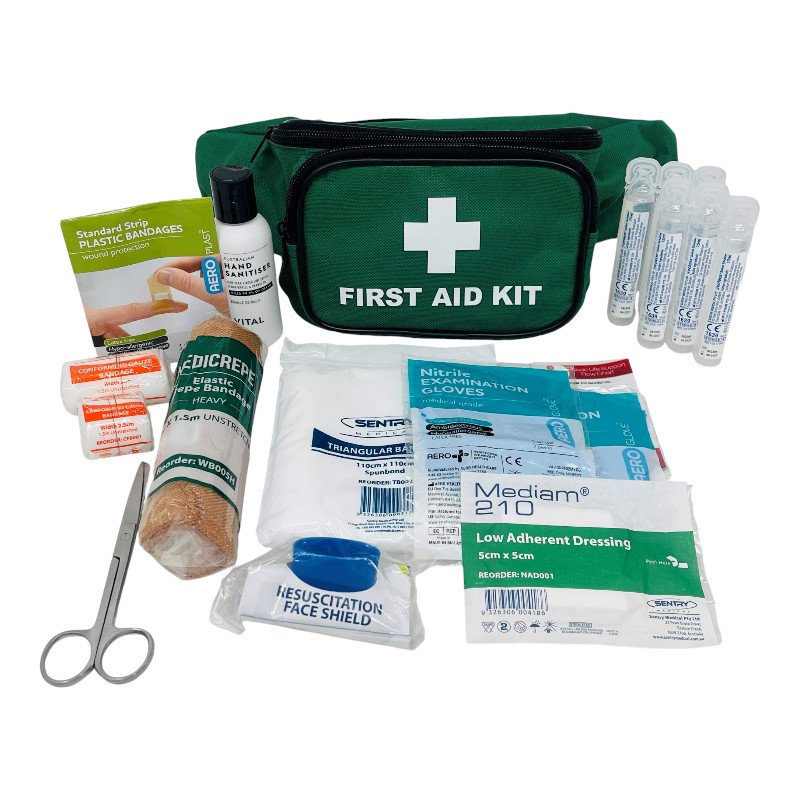
A stocked first aid kit placed in a visible location
Ontario workplaces must also meet first aid standards set by WSIB. When I review a new client’s office, I check their supplies against the WSIB guideline and update anything missing. These items often fail audits because small businesses assume the landlord covers them.
Why preparation matters:
New workers rarely know where to go during an evacuation. If the team works in a shared building, confusion spreads fast. A short talk during orientation fixes this. I also schedule a drill once or twice a year for smaller teams. It takes only a few minutes, but it builds confidence and keeps the workplace ready for unexpected events.
How can small businesses build a simple and compliant OHSA program without heavy cost?
I often meet owners who worry that OHSA compliance will drain their budget. They imagine thick binders, complex manuals, and expensive systems. For small teams, the opposite is true. A clear, lightweight program covers the essentials and stays easy to maintain.
My process when helping small businesses:
-
Identify the actual hazards in their workspace
-
Build a short set of policies that reflect those hazards
-
Create a training list that fits each role
-
Set up a simple inspection routine
-
Prepare incident reporting steps
-
Assign safety responsibilities to supervisors
This structure meets OHSA expectations because it shows the employer is taking reasonable steps to protect workers. The program grows only when the business grows.
Owners often ask me if they should use templates from the internet. Templates can help, but they rarely capture the real conditions of an Ontario workplace. Inspectors look for documents that match what the team actually does. That is why I encourage small businesses to work with Achieve Safety.
Complete OHSA compliance checklist for small businesses in Ontario
I use this checklist when I set up safety programs for small teams across Ontario. It works for offices, startups, coworking spaces, retail shops, and other low risk settings. Each item reflects OHSA duties and common expectations during Ministry of Labour reviews.
Policy and documentation checklist
-
Signed Health and Safety Policy
-
Workplace Violence and Harassment Policy
-
Annual policy review record
-
Job specific training records
-
New worker orientation record
-
Emergency procedures
-
Incident and near miss forms
-
WSIB first aid documents
-
Hazard assessment for office or startup settings
Training checklist
-
Worker Health and Safety Awareness
-
Supervisor Health and Safety Awareness
-
Violence and harassment awareness
-
Equipment or task specific instruction
-
Ergonomics basics for office roles
-
Orientation for emergency exits and evacuation points
Hazard control checklist
-
Cable management to prevent trips
-
Clean and dry flooring near entrances and kitchens
-
Safe storage of cleaning supplies
-
Regular checks of chairs, monitors, and workstations
-
Clear walkways with no blocked exits
-
Proper use of power bars and electrical equipment
-
Immediate cleanup of spills
Emergency readiness checklist
-
Posted floor plans with exits and meeting points
-
Fire extinguisher locations marked
-
First aid kit stocked according to WSIB
-
List of trained first aid responders
-
Simple evacuation route and communication plan
-
Scheduled drills or practice walks with new hires
Program maintenance checklist
-
Monthly or quarterly safety inspection
-
Annual review of policies
-
Updated training matrix as staff change
-
Clear reporting steps for incidents and hazards
-
Assigned responsibilities for supervisors
When a business keeps these items organized, the workplace feels stable and predictable. Workers know where to go, what to do, and how to report issues. Owners also gain peace of mind because the program reflects actual OHSA expectations, not assumptions.
This OHSA small business checklist will usually the starting point when I help a new client in 2026. If you want a version tailored to your space, your equipment, and your workflow, our team at Achieve Safety can build a custom program from scratch. This helps small businesses avoid risk and start strong.
Primary references used during research:
-
Ministry of Labour, Immigration, Training and Skills Development guidance
-
WSIB First Aid Requirements
FAQs for Small Business OHSA Compliance in Ontario
Do small businesses in Ontario need a Joint Health and Safety Committee?
I guide owners through this often. A Joint Health and Safety Committee becomes required when a workplace reaches twenty workers. When the employer has fewer than that, the entity employer appoints a Health and Safety Representative. The representative helps identify hazards and supports communication with the entity MOL Inspector during any visit. The small business still carries the duty employer ensures safety through training and inspections.
Are office ergonomics covered under the Ontario Occupational Health and Safety Act?
Yes. The Act sets the duty employer provides a safe workspace and that includes ergonomic setups. When the task worker uses a computer for long hours, I review their workstation using CSA Standards for seating and posture. The action supervisor adjusts the setup and the result worker reduces strain and improves comfort. This is one of the simplest ways small offices prevent repetitive strain injuries.
What should a small business do after a workplace incident in Ontario?
When an event occurs, I complete three steps. First, the entity supervisor gathers facts and keeps the area secure. Second, the employer records details using WSIB Form 7 when required. Third, the investigator identifies root causes so that hazards are corrected. The relationship incident leads to investigation and investigation leads to prevention. Even minor events help strengthen the safety program.
How often should small workplaces conduct safety inspections?
I set a schedule that fits the workplace. For most offices, a monthly walkthrough works well. The subject employer checks exits, cords, fire equipment, and workstation conditions. The predicate ensures compliance and the object worker safety becomes the outcome. Regular inspections also make MOL visits easier because the employer shows active maintenance of safety controls.
Do Ontario small businesses need to follow the Ontario Fire Code?
Yes. The Fire Code applies to all workplaces. The entity building must have working alarms, clear exits, and accessible fire extinguishers. I show owners how to meet these basics during setup. The action employer maintains emergency routes and the consequence workers evacuate safely when needed. This aligns with OHSA duties and building requirements.
How does WHMIS apply to small offices that only use cleaning products?
If a workplace stores or uses controlled products, WHMIS applies. Even simple cleaners fall under this rule. The subject worker must know how to read labels and SDS sheets. The predicate follows safe handling steps. The object hazard is reduced because workers understand product risks. I include WHMIS training for every small business I support because Ministry of Labour reviewers often ask for proof.
What triggers a Ministry of Labour inspection for a small business?
Inspections occur for several reasons. A complaint, an incident, or a random check may bring an MOL Inspector to the workplace. During these visits, the subject employer provides documents such as policies, training records, and the hazard assessment. The predicate inspector reviews compliance and the object business receives orders only when gaps exist. When the safety program is active, these visits run smoothly.