
Learn your right to refuse unsafe work under Ontario’s OHSA Section 43. Understand the steps, protections, and investigation process for unsafe job situations.
In Ontario, every worker has the legal right to refuse work they believe is unsafe under Section 43 of the Occupational Health and Safety Act (OHSA). This guide explains what qualifies as unsafe work, how to report it, and the protections available to workers who exercise this essential safety right.
Safety Starts With the Power to Say No
A safe workplace is not a privilege—it is a legal right.
In Ontario, if you ever feel that a task or condition puts you or your coworkers in danger, you have the authority to stop and speak up.
This is known as the Right to Refuse Unsafe Work, one of the most powerful protections under the Occupational Health and Safety Act (OHSA).
Whether it is faulty machinery, missing safety guards, exposure to hazardous chemicals, or the threat of violence, Ontario’s OHSA ensures workers can refuse unsafe work without fear of punishment or retaliation.
What Does the Right to Refuse Mean?
The right to refuse unsafe work allows a worker to decline a task if there is reasonable cause to believe it poses a risk to health or safety.
This right applies to most Ontario workplaces and covers dangers such as:
-
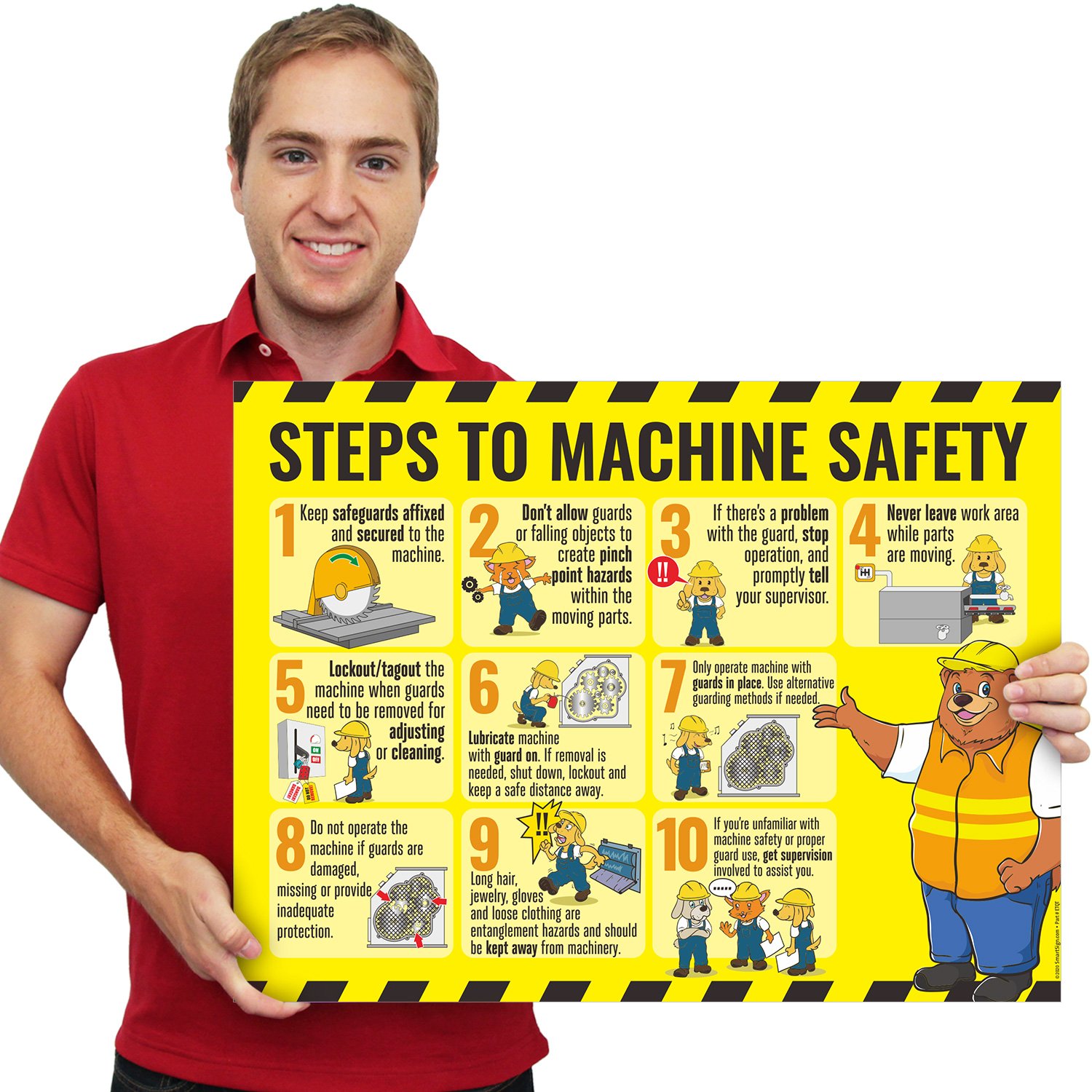
Unsafe equipment or machinery: Defective tools, missing guards, or malfunctioning controls.
-
Hazardous conditions: Exposure to toxic substances, fumes, or biological agents without proper protection.
-
Workplace violence: Threats, aggression, or physical harm from others in the workplace.
-
Violations of the Act or regulations: Any contravention likely to endanger workers.
To be valid, the concern must be based on reasonable and objective evidence, not simply personal dislike or discomfort.
Your Legal Foundation: Section 43 of the Occupational Health and Safety Act
Section 43 of the OHSA outlines the complete process for refusing unsafe work. It provides a clear legal framework that balances worker safety with fair investigation.
Key provisions include:
-
Reporting the Danger: Workers must promptly inform their supervisor of the specific hazard and reason for refusal.
-
Investigation: The supervisor, along with a Joint Health and Safety Committee (JHSC) worker member or health and safety representative, must investigate the situation in the worker’s presence.
-
Escalation to the MLITSD: If the issue remains unresolved, the Ministry of Labour, Immigration, Training and Skills Development (MLITSD) may be contacted to conduct an independent investigation.
-
Protection from Reprisal: Employers are legally prohibited from disciplining, dismissing, or intimidating a worker who exercises this right in good faith.
Steps to a Legal Work Refusal in Ontario
If you believe your work is unsafe, Ontario law provides a clear and structured process to ensure your safety while maintaining fairness in the workplace.
Step 1: Identify the Hazard
Observe and assess what makes the work unsafe. This could be a mechanical failure, missing protective equipment, an exposure risk, or a threat of violence. Be specific and objective when describing the hazard.
Step 2: Report the Hazard to Your Supervisor
Inform your supervisor immediately, either verbally or in writing, about the danger and your decision to refuse the work.
This step must happen before you leave the work area unless the hazard presents an immediate threat to your life or health.
Step 3: Participate in the Investigation
Your supervisor, along with a worker representative such as a member of the Joint Health and Safety Committee (JHSC) or a health and safety representative, will investigate the issue in your presence.
You should remain available to explain your concerns and share relevant observations.
Step 4: Await Resolution or Escalation
If the hazard is resolved and you feel safe, work may resume.
If you still believe danger exists after the initial investigation, you can continue to refuse the work and request that an inspector from the Ministry of
Labour, Immigration, Training and Skills Development (MLITSD) be notified.
Step 5: Remain at the Workplace
Unless the situation poses immediate danger, you are required to stay at your workplace during the process and may be assigned alternate safe duties while the investigation continues.
Step 6: MLITSD Inspector Involvement
If an MLITSD inspector is called, they will investigate the situation and issue written instructions. Both you and your employer must follow the inspector’s decision.
Examples of Reasonable Work Refusals
Work refusals are justified when there is a legitimate risk to health or safety, such as:
-
Operating machinery that is damaged or missing guards
-
Working in an area contaminated by hazardous fumes or chemicals
-
Handling materials without required protective equipment
-
Performing tasks without proper fall protection
-
Facing threats or violence from a client or coworker
These examples represent situations that can and should trigger the legal right to refuse until conditions are made safe.
Employer Responsibilities During a Work Refusal
Employers must:
-
Investigate promptly and document findings
-
Address the worker’s safety concerns
-
Involve the JHSC or representative in the process
-
Contact the MLITSD if the matter remains unresolved
-
Ensure no reprisals, threats, or discipline occur as a result of the refusal
Failure to uphold these responsibilities may result in significant penalties under the OHSA.
Worker Protections and Good Faith Obligations
Workers who exercise their right to refuse unsafe work are protected by law.
An employer cannot dismiss, demote, or threaten an employee for acting in good faith under Section 50 of the OHSA.
At the same time, workers are expected to use the right responsibly and cooperate in the investigation to ensure fair resolution.
Creating a Safer Workplace with Achieve Safety
The right to refuse unsafe work is more than a legal safeguard — it is a cornerstone of Ontario’s workplace safety culture.
Understanding how and when to use it protects not only you but also your coworkers and future employees.
At Achieve Safety, we help Ontario employers and workers navigate their obligations under the Occupational Health and Safety Act (OHSA).
Our OHSA Compliance and Worker Rights Training explains the right to refuse unsafe work, outlines the responsibilities of supervisors and JHSC members, and builds stronger communication and safety systems within organizations.
👉 Learn more about Achieve Safety’s OHSA Compliance and Worker Rights Awareness Training and ensure your workplace stays safe, informed, and compliant.
FAQs – The Right to Refuse Unsafe Work Ontario
Q1. What does the right to refuse unsafe work mean in Ontario?
Under Section 43 of the Occupational Health and Safety Act (OHSA), workers have the legal right to refuse work they believe could endanger their health or safety, or that of others. This protection applies to most workplaces in Ontario and ensures workers can report hazards without fear of punishment.
Q2. What are valid reasons to refuse unsafe work?
Common reasons include defective machinery, missing safety guards, exposure to hazardous chemicals, unsafe environmental conditions, or threats of workplace violence. The concern must be based on a reasonable belief that danger exists, not simply discomfort or preference.
Q3. What steps should a worker take when refusing unsafe work?
Identify and describe the hazard clearly.
Report the situation to your supervisor immediately.
Participate in the investigation with a Joint Health and Safety Committee (JHSC) member or health and safety representative.
Remain at the workplace unless the hazard poses an immediate risk.
If unresolved, request an inspection by the Ministry of Labour, Immigration, Training and Skills Development (MLITSD).
Q4. Can my employer punish me for refusing unsafe work?
No. Under Section 50 of the OHSA, it is illegal for an employer to dismiss, discipline, or threaten a worker who refuses unsafe work in good faith. Workers are protected from all forms of reprisal when exercising this right.
Q5. What happens after a work refusal is reported?
The employer must investigate the situation immediately, in the presence of the worker and a JHSC or health and safety representative. If the issue is not resolved, the MLITSD may be contacted to perform an independent inspection and issue orders if necessary.
Q6. Are all Ontario workers covered by the right to refuse unsafe work?
Most workers are covered, but some exceptions exist for those in essential services such as police, firefighters, and correctional officers, where refusal could endanger others. Even in these sectors, safety concerns must still be reported and addressed.
Q7. What should I do if I feel unsafe but am unsure if I should refuse?
Speak with your supervisor or health and safety representative right away. They can assess the situation and guide you through the appropriate steps. Always prioritize your safety and seek advice before continuing work that seems hazardous.
Q8. How can Achieve Safety help Ontario workplaces comply with OHSA?
Achieve Safety provides OHSA Compliance and Worker Rights Training that helps employers and workers understand their legal duties, reporting processes, and investigation procedures under Ontario law.